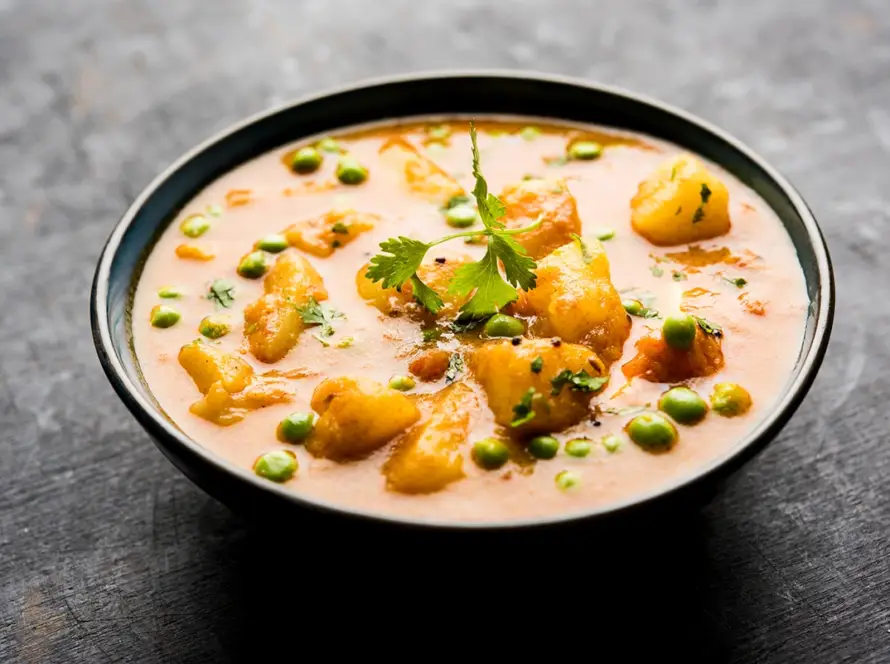
Seafood has always been considered delicate, perishable, and difficult to preserve without compromising flavor. Yet today, shelf-stable fish curry and prawn masala retort meals are redefining convenience in the ready-to-eat (RTE) food market. For brands like Pot & Ladle, retort technology makes it possible to deliver authentic seafood gravies with long shelf life—without preservatives and without refrigeration.
But how exactly does this work?
The Challenge of Making Seafood Shelf-Stable
Fish and prawns are classified as low-acid foods, which means they require precise thermal processing to ensure safety. Unlike dry foods or pickles, seafood curries contain moisture, proteins, and fats that create ideal conditions for microbial growth if not processed correctly.
Traditionally, seafood gravies had to be:
- Frozen
- Refrigerated
- Or consumed fresh
However, freezing increases logistics costs and limits export flexibility. That’s where retort processing for seafood changes the game.
What is Retort Processing in Seafood Meals?
Retort processing is a form of commercial sterilization where sealed pouches or trays are subjected to high temperature and pressure in a retort chamber. This process eliminates harmful microorganisms while preserving taste, texture, and nutritional value.
In products like:
- Ready-to-eat fish curry
- Shelf-stable prawn masala
- Coconut-based seafood gravies
The critical parameter is the F₀ value, which ensures that the product achieves safe sterilization levels without overcooking the seafood.
When properly calibrated:
- Fish remains tender
- Prawns retain bite
- Gravies maintain aroma and richness
This balance between safety and sensory quality is what defines premium retort seafood meals.
Preserving Authentic Indian Flavor
Indian fish curry and prawn masala are deeply rooted in regional spice profiles—whether it’s coastal coconut gravies, Chettinad-style masalas, or tomato-onion-based curries.
Advanced retort pouch technology allows these flavors to mature inside the sealed pack. Unlike frozen food, which may suffer from texture loss during thawing, shelf-stable seafood curries maintain:
- Spice intensity
- Oil separation authenticity
- Freshly cooked mouthfeel
For global consumers and the Indian diaspora, this means enjoying restaurant-style seafood without compromising on tradition.
Benefits for Global Distribution and HoReCa
The rise of shelf-stable seafood meals is especially important for:
- Hotels and airlines
- Institutional catering
- Military and disaster relief supply
- Export markets
- E-commerce grocery platforms
Since retort fish curry and prawn masala do not require cold chain logistics, they significantly reduce storage and transportation costs. This makes them ideal for global trade and private label opportunities.
For HoReCa buyers, they offer:
- Consistent taste batch after batch
- Reduced kitchen labor
- Minimal wastage
- Faster service time
The Future of Ready-to-Eat Seafood
Consumers today demand convenience, safety, and authenticity. With advancements in thermal processing, retort validation, and packaging science, ready-to-eat fish curry and prawn masala are no longer niche products—they are becoming mainstream.
At Pot & Ladle, the focus remains on delivering shelf-stable seafood gravies that combine culinary heritage with food safety excellence. By using scientifically controlled retort processing, authentic flavor can travel across borders—without refrigeration and without preservatives.
Seafood can now be truly shelf-stable. And it can still taste like home.